In het kort
Opent een externe website.

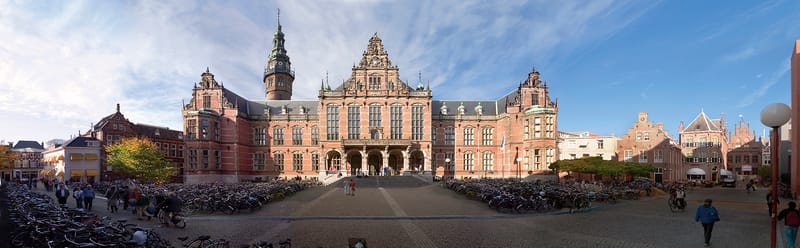
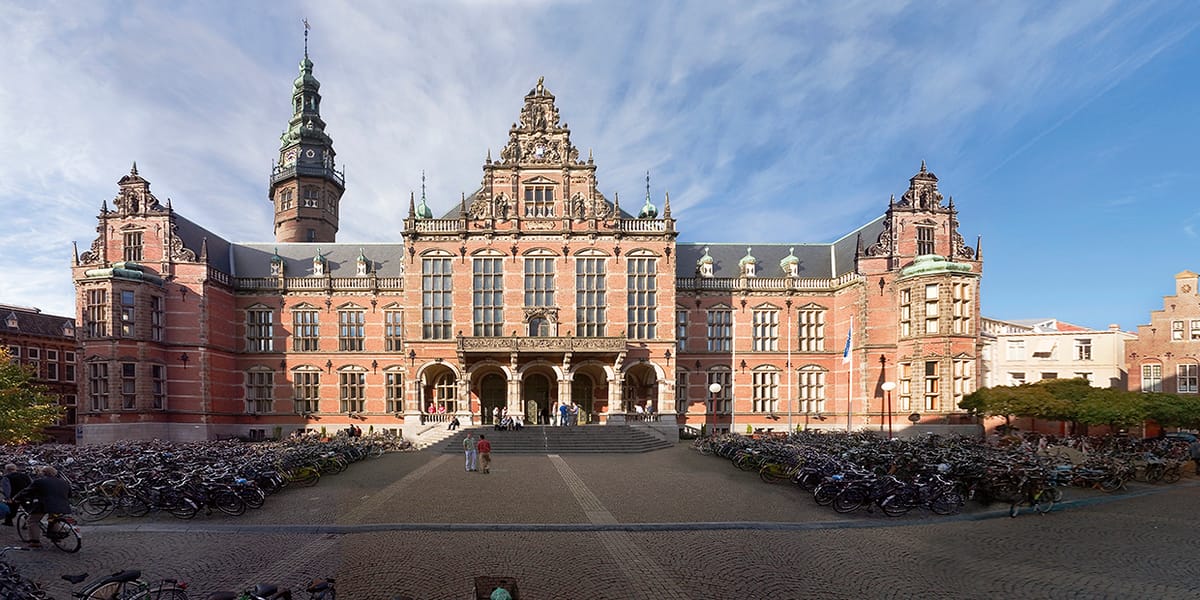
Rijksuniversiteit Groningen
Waar staat Rijksuniversiteit Groningen voor? Wat vinden ze belangrijk? Ontdek het hier.
SkillAIbility, AI, and the Future of Work in Manufacturing
Artificial Intelligence is transforming jobs in profound ways. In contrast with earlier technology-driven transformations, where physical automation was among the key drivers, AI increasingly impacts cognitively rich tasks. The risk of job losses and human roles being replaced by AI are a subject of intense interest, including fear. At the same time, the significant opportunities for the creation of new roles for humans to operate in synergy with AI, and especially in manufacturing, are not sufficiently appreciated by organisations and individuals.
The University of Groningen is offering a post-doctoral research position on Human-AI symbiosis in manufacturing work environments. The position is linked to the Horizon Europe project SkillAIbility (https://skillaibility.eu - Co-designing human centric pathways for future skills in manufacturing through augmented, empowered, inclusive, and symbiotic complementarities between AI, automation and human task). The project aims to create human-centric pathways to future Human-Centred Artificial Intelligence (HCAI) skills and jobs in the digital transition of the manufacturing industry. It also aims to mitigate risks for social disparities and inequalities by targeting societal, industrial, academic, and regulatory dimensions. Co-designing education and training programs as well as relevant AI tools with workers, especially vulnerable groups, using empowering, inclusive, and symbiotic complementarities between AI, automation, and humans is key to this approach.
What could a roadmap for positive adoption of human-AI synergies look like in manufacturing work environments? How to design human-centred AI-enabled work systems in such environments that capitalise on the best of both human and AI skills? What are skill gaps and future skill requirements in manufacturing and how to develop appropriate maturity models and roadmaps for organisations and manufacturing professionals towards future manufacturing jobs characterised by the key SkillAIbility project concepts of Augmentation, Empowerment, Inclusivity, and Human-AI symbiosis? What can we can learn from the SkillAIbility project manufacturing use cases defined within the project consortium how to instil these four key concepts in them? What lessons can be learned for manufacturing industry, workers, and policy-making? You will have the opportunity to contribute towards exploring such questions as part of a dynamic team and overall project consortium.
Where are you going to work?
The SkillAIbility Project
The Horizon Europe project SkillAIbility (https://skillaibility.eu - Co-designing human centric pathways for future skills in manufacturing through augmented, empowered, inclusive, and symbiotic complementarities between AI, automation and human task) is an ambitious collaborative project aiming to create human-centric pathways to future Human-Centred Artificial Intelligence (HCAI) skills and jobs in the digital transition of the manufacturing industry. It also aims to mitigate risks for social disparities and inequalities by targeting societal, industrial, academic, and regulatory dimensions. Co-designing education and training programs as well as relevant AI tools with workers, especially vulnerable groups, using empowering, inclusive, and symbiotic complementarities between AI, automation, and humans is key to this approach.
What are you going to do?
Your role will be to conduct research on Human-AI synergies in manufacturing work environments, as well as to contribute to project research and technical reporting. You will contribute to high quality scientific publications, dissemination activities, and empirical research. You will also be expected to liaise with other researchers within the team and the broader consortium. You are expected to demonstrate initiative and ownership of day-to-day research and research project management activities. Your role will include engagement with and active contribution in regular project meetings and workshops (remote and physical) together with the project partners, demonstrating initiative, willingness to travel to represent the team in project meetings, workshops or dissemination events.
Who are you?
PhD (for Postdoc) / MSc (for Research Associate) (completed or very near to completion). SkillAIbility is a truly multi-disciplinary collaborative project and therefore candidates from related disciplines from social, natural sciences, interdisciplinary, or applied sciences with content relevant to one or more of the following topics: Industrial Organisation, Organisational Behaviour, Work Design, Human Factors, Change Management, Digital Transformation (Industry 4.0/5.0), Manufacturing, Digital Humanities, Human-Technology Interaction and Socio-Technical Systems, with a strong awareness of Artificial Intelligence.
The desired experience and competences are the following:
- You should be a proactive, self-driven individual, with critical thinking, who can excel in an environment that offers collaboration options, within the supervising and organisation teams, but also within the extensive project partnership, able to perform within project timescales.
- Excellent communication skills and proficiency (written and verbal) in English.
- Excellent technical and research report writing skills.
- Ability and interest in combining theory with experimental and/or empirical research.
- Readiness and willingness to engage/collaborate with consortium partners and other researchers as a team player working in an interdisciplinary environment.
- Experience from working in the past on collaborative research projects will be an advantage.
- A track-record of conducting quality research with outcomes such as relevant publication(s), deliverables, or research reports will be an advantage and is a strong expectation for the Postdoc.
- Having previous project management skills and experience will be an advantage.